
Key Takeaways
- Firearm confiscation isn’t always an arrest but signals a serious investigation with potential criminal charges.
- Hiring an experienced Utah weapons charges attorney immediately is critical to protect your rights and prevent escalation.
- A lawyer can challenge the legality of the seizure, prevent self-incriminating statements, and work to recover your weapon.
- Navigating Utah’s specific firearm laws and varied county prosecution tendencies requires expert legal guidance.
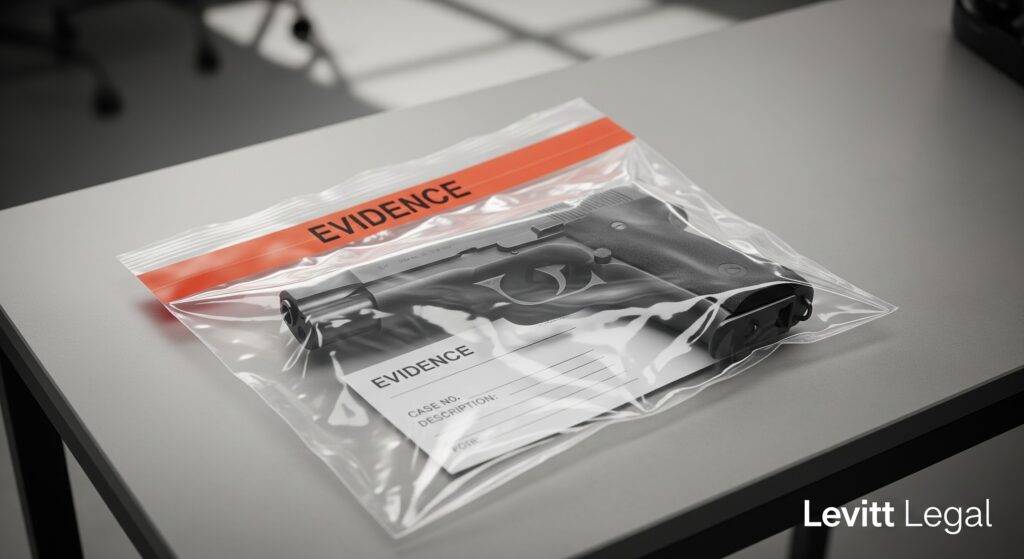
What It Means When Utah Police Confiscate Your Firearm
The moment Utah law enforcement officers inform you that they are confiscating your firearm can be confusing and alarming. Your mind may race with questions about what you did wrong and what happens next. The most important thing to understand is that the seizure of your weapon is the start of a legal process—one that you must take seriously, even if you are not placed under arrest.
Confiscation vs. Arrest: Understanding the Difference
Many people mistakenly believe that if they weren’t arrested, the confiscation is a minor issue. This is a dangerous assumption. Police can and often do seize property, including firearms, as part of an ongoing investigation without making an immediate arrest. They may believe the weapon was involved in a crime, is evidence of a crime, or that you are not legally permitted to possess it. While you may be free to leave the scene, the investigation into your firearm has just begun.
Common Scenarios Leading to Firearm Seizure by Police
A firearm seizure can happen in various situations, often when you least expect it. Common scenarios in Utah include:
- Traffic Stops: An officer may see a weapon in plain view and confiscate it while they investigate a potential violation, such as illegal carrying or determining if you are a restricted person.
- Domestic Disputes: Even without an arrest, police responding to a domestic call may seize all firearms in the home to “cool down” the situation or pending an investigation into threats or violence.
- Protective Orders: If a temporary or permanent protective order is issued against you, law enforcement will confiscate any firearms you own or possess.
- Investigative Detentions: If you are stopped and questioned for any reason, and police have reasonable suspicion, they may perform a pat-down for weapons and seize any they find pending further investigation.
Why Firearm Confiscation Often Signals Potential Criminal Charges in Utah
When police take your gun, it is rarely just for safekeeping. It’s a clear signal that you or your weapon is under investigation. Law enforcement uses the confiscation as an opportunity to build a case. They will run the serial number, investigate your background, and look for any reason to file formal charges.
This is a critical pre-charge window where your rights are most vulnerable. The actions you take—or fail to take—in the hours and days following the seizure can dramatically impact whether you face misdemeanor or felony charges. For a complete picture of the legal landscape you’re facing, review our Utah Gun and Weapons Charges Overview. It is essential to understand the potential severity before the situation escalates.
When to Hire a Weapons Charges Attorney Immediately After Confiscation
The single most important step you can take is to hire an experienced gun charges lawyer the moment your firearm is taken. Do not wait for charges to be filed. Do not wait for a letter in the mail. The clock starts ticking immediately.
You should seek legal counsel as soon as:
- An officer physically takes your firearm.
- You receive any official paperwork, receipt, or citation related to the seizure.
- Police indicate they are holding the weapon “pending an investigation.”
- You are asked to come to the station for an interview or to answer questions.
Delaying gives the prosecution a head start in building their case against you while your defense remains stalled.
Immediate Protective Steps a Utah Lawyer Can Take on Your Behalf
Hiring an attorney is not an admission of guilt; it is an assertion of your constitutional rights. An experienced lawyer immediately goes on the offensive to protect you. At Levitt Legal, we know that prompt action is key. The personal attention you receive from an attorney like Darren Levitt ensures that no detail is overlooked from the very start.
Verifying the Seizure’s Legality and Demanding Documentation
Your attorney will immediately contact the law enforcement agency that confiscated your weapon. They will demand to see the legal justification for the seizure, including any warrants or documentation of the probable cause they claimed to have. An unlawful seizure can be challenged, potentially leading to the return of your firearm and the prevention of any charges.
Protecting Your Rights During Police Investigations
Police and investigators may try to contact you to “get your side of the story.” This is often an attempt to get you to make self-incriminating statements. Your lawyer will act as a shield, handling all communication with law enforcement on your behalf. This prevents you from inadvertently harming your case and ensures your Fifth Amendment right to remain silent is protected.
Potential Charges That Could Follow Firearm Confiscation in Utah
A firearm seizure can be the first step toward a wide range of serious criminal charges. The specific offense will depend on the circumstances of the confiscation, your criminal history, and the type of weapon involved.
Common State Firearm Offenses in Utah
Utah has strict laws governing the possession and use of firearms. Depending on the investigation’s findings, you could face charges such as:
- Possession of a Dangerous Weapon by a Restricted Person: A felony offense for anyone with a prior felony conviction or certain domestic violence convictions.
- Carrying a Concealed Firearm Without a Permit: While Utah is a constitutional carry state, there are still locations and circumstances where carrying a concealed weapon is illegal. You can learn more about the specifics of carrying a Concealed Dangerous Weapon in Utah.
- Aggravated Assault: If the weapon was allegedly used to threaten another person.
- Domestic Violence Weapon Enhancement: The presence of a weapon during a domestic dispute can significantly enhance potential penalties.
Understanding Federal Firearm Violations
In some cases, a local firearm seizure can escalate into a federal investigation. This is particularly common if the weapon had a modified serial number, was allegedly used in a drug trafficking crime, or crossed state lines illegally. Federal charges carry severe mandatory minimum sentences, making the need for a qualified Federal Defense Attorney in Utah absolutely critical.
Navigating Utah-Specific Firearm Laws and Local Prosecution Tendencies
Utah’s gun laws can be complex, and how they are enforced can differ significantly from one county to the next. An attorney who understands these local nuances is invaluable.
Utah’s Restricted Persons and Firearm Possession Laws
State law outlines specific categories of individuals who are prohibited from owning or possessing firearms. These restrictions are detailed in Utah’s Restricted Persons Firearm Possession Laws. A confiscation may be an attempt by police to determine if you fall into one of these categories.
Concealed Carry vs. Open Carry Laws in Utah
While Utah law is generally favorable to gun owners, there are still rules about where and how you can carry a firearm. Misunderstanding these laws can easily lead to confiscation and potential charges.
County-Specific Prosecution Differences and What They Mean for You
The prosecutorial philosophy in Salt Lake County can be very different from that in Utah County, Weber County, or Davis County. A local attorney understands the tendencies of the prosecutors and judges in these specific jurisdictions. This knowledge can be a significant advantage when negotiating or building a defense strategy. If you are in the Salt Lake area, you need a Criminal Defense Attorney Salt Lake County who knows the system inside and out.
Challenging the Legality of Your Firearm Seizure with Expert Counsel
You have a Fourth Amendment right protecting you from unreasonable searches and seizures. If police violated your rights when they took your firearm, an attorney can file a motion to suppress the evidence. Common grounds for a challenge include:
- The police had no reasonable suspicion to stop you in the first place.
- The search of your person, vehicle, or home was conducted without a valid warrant or probable cause.
- You were improperly detained or coerced.
A successful challenge is crucial for Defending Against Firearm and Weapon Charges in Utah. If a judge rules the seizure was illegal, the firearm cannot be used as evidence, often leading to the dismissal of all charges.
How a Lawyer Helps You Recover a Confiscated Firearm in Utah
Even if no criminal charges are filed, getting your firearm back is not an automatic process. Law enforcement agencies will not simply return it without you taking specific legal steps. An attorney can manage this entire process for you.
Filing Demands for Return of Property
Your lawyer will file a formal written demand with the correct agency and prosecutor’s office for the immediate return of your property. This official legal action shows you are serious and starts the mandatory timeline for the government to respond.
Representing You in Firearm Property Hearings
If the agency refuses to return the weapon, claiming it is still “evidence,” your lawyer will request a court hearing. At this hearing, they will argue before a judge why the government no longer has a legal right to keep your property and compel its return.
The Critical Risks of Delaying Legal Action After Confiscation
Waiting to see what happens after your firearm is confiscated is one of the biggest mistakes you can make. The consequences of delay can be severe and irreversible:
- Permanent Loss of Property: Many agencies have strict deadlines for claiming property. If you miss them, the firearm could be destroyed or sold.
- Missed Opportunities: The pre-charge phase is the best time to present evidence of innocence or challenge the seizure. Once charges are filed, the legal battle becomes much more difficult.
- Unadvised Statements: Without a lawyer, you might speak to the police and unknowingly provide them with the evidence they need to charge you.
- Weakened Defense: Evidence can be lost, and memories can fade. The sooner your attorney can begin investigating, the stronger your defense will be.
For more information on the legal process, you can visit our Blog or review our Criminal Defense FAQs.
When to Contact a Weapons Charges Attorney
To put it simply, the time to act is now. Do not try to handle this situation alone. You should contact an experienced weapons charges attorney:
- Immediately after your firearm has been taken.
- Before you speak to any law enforcement officer or investigator.
- Before you attempt to retrieve the weapon on your own.
- The moment you receive any notice, citation, or call related to the incident.
Take the first step toward protecting yourself. Contact Levitt Legal to understand your rights and options.
FAQs
Can police take my gun without charging me?
Answer: Yes, police in Utah can legally confiscate your firearm without immediately filing charges. This often occurs when they suspect a violation, need to secure a scene, or are investigating a potential crime, even if an arrest isn’t made on the spot.
How soon should I hire a lawyer after my firearm is confiscated?
Answer: You should hire a weapons charges attorney immediately after your firearm is confiscated. Prompt legal action can prevent charges, protect your rights during an investigation, and significantly improve your chances of recovering your weapon.
Will I get my gun back automatically?
Answer: No, your firearm will not be automatically returned after confiscation. You or your attorney must actively pursue its return, which involves navigating legal procedures, responding to property hearings, and challenging the legal basis for its seizure.
Can a lawyer get my firearm returned faster?
Answer: Yes, an experienced lawyer can often expedite the process of getting your firearm returned. They understand the necessary legal demands and procedures in Utah to challenge the seizure and ensure timely compliance with firearm return regulations.
What if the gun belonged to someone else?
Answer: If the confiscated gun belonged to someone else, it does not automatically absolve you of responsibility. Possession is a key factor, and you could still face charges depending on the circumstances of the seizure and your legal eligibility to possess the weapon. An attorney can help clarify the situation and protect your rights.